

Identifying affordable car insurance can be a challenging task, especially with numerous options present. Many drivers are searching for low-cost car insurance that not only matches their budget but also provides the essential coverage they need. With escalating premiums and financial challenges, it's more important than ever to explore ways to secure low-cost auto insurance without sacrificing on essential protection.
In this post, we will examine various approaches that can help you manage the challenges of car insurance. From comprehending how to compare quotes properly to exploring discounts and changing coverage levels, you will gain insightful insights that can lead to substantial savings. Whether you are a beginner driver or transitioning providers, these tips will allow you to take control of your auto insurance costs.
Grasping Auto Coverage Basics
Auto insurance is a critical financial protective measure that aids drivers navigate risks associated with operating a vehicle. It serves to cover the expenses connected to auto destruction, individual injury, and responsibility in the case of an incident. Understanding the different aspects of vehicle coverage is essential for consumers looking for affordable coverage options. The main types of insurance typically include liability insurance, collision insurance, and comprehensive insurance, each with its own purpose and consequences for premiums.
Liability coverage is often mandatory by regulation, as it pays for losses and harm you may inflict to others in an accident. Collision insurance, on the other hand, incurs damages to your vehicle resulting from a collision, regardless of who is at fault. Comprehensive insurance safeguards against non-accident incidents, such as larceny, malicious damage, or natural disasters. By familiarizing yourself with these basic elements, you can start to take informed decisions about what kinds of coverage are required for your circumstance and how to locate cheap vehicle coverage that fits within your financial plan.
When looking for affordable vehicle coverage, it’s important to assess your individual needs and determine the level of coverage suitable for you. Take into account elements such as your driving behaviors, the value of your auto, and any statutory obligations in your state. By understanding these fundamentals, you will be better equipped to compare plans and recognize what aspects are essential for your peace of mind on the road.
Types of Car Insurance Coverage
When searching for cheap car insurance options, it's crucial to grasp the various types of coverage available. Liability insurance is a primary requirement in most states. This type of insurance covers harm to other vehicles and injuries for your liability in accidents. This protects you financially and makes sure you meet your state's minimum insurance requirements.
Another vital type of coverage is collision insurance. This coverage pays for repairs to your vehicle after an accident, irrespective of fault. Although it can elevate your premium, it provides peace of mind, especially for those with newer or more valuable cars. Understanding the trade-off between the cost of collision coverage and the potential costs of repairs can help in choosing a policy that suits your budget.
Comprehensive insurance is another option to consider when looking for cost-effective auto insurance. This type protects against damages not due to collisions, including robbery, vandalism, or environmental catastrophes. While it may be more costly than liability coverage alone, it can save you money in the long run if unexpected situations damage your vehicle. Assessing personal circumstances and risks will lead you to the best balance of coverage types for your needs. ### Factors Influencing Auto Insurance Rates
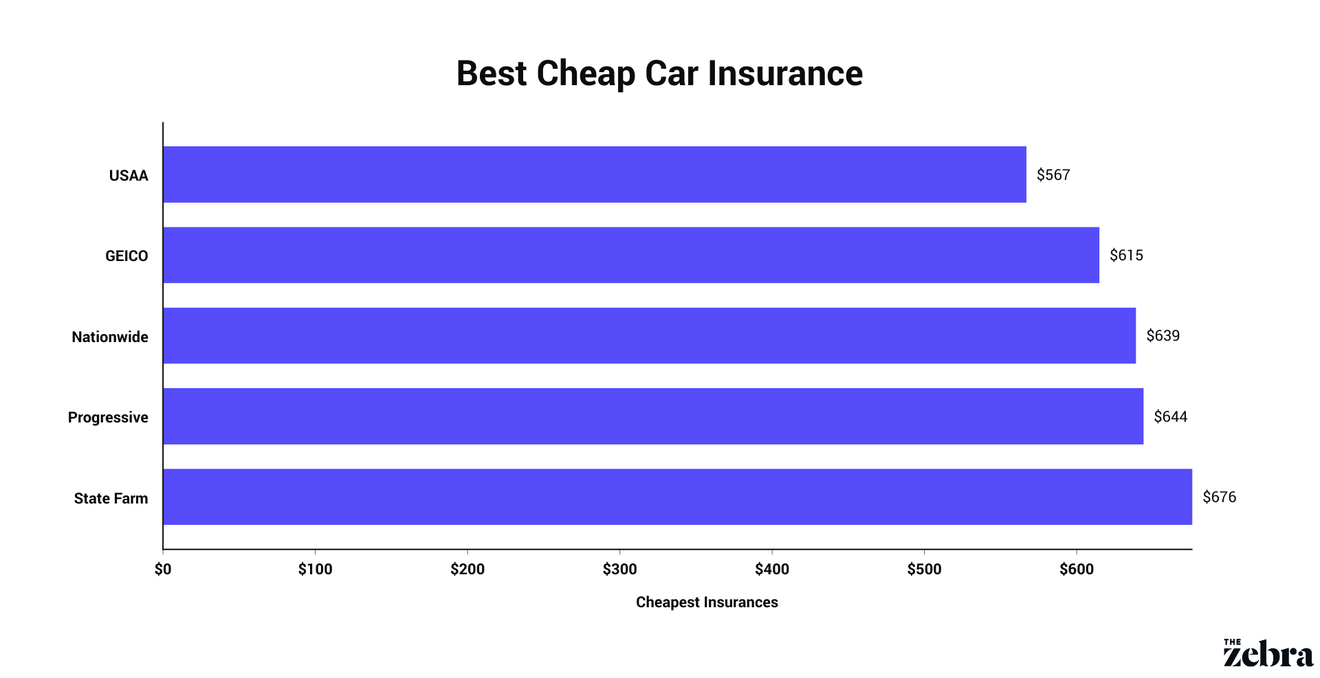
When it comes to determining the cost of cheap car insurance, several factors come into play. A major factor is the driving history of the insured. Insurers evaluate risk using the history of claims made, traffic violations, and the complete driving history. A clean driving history typically results in lower premiums, whereas incidents like accidents or speeding violations may result in increased rates. Insurers consider drivers with negative records to be higher risk, thus impacting the cost-effectiveness of their policies.
Another important consideration is the kind of vehicle that is insured. Luxury cars, sports cars, and vehicles with higher theft rates generally attract higher insurance premiums. Conversely, affordable and widely used vehicles typically have lower insurance premiums. Factors such as the make, model, and safety attributes of a vehicle are crucial in determining how insurance rates are set, highlighting the importance for drivers to evaluate these factors when choosing their cars.
The geographical area also greatly influences car insurance costs. Various locations present different risks related to theft, collisions, and natural disasters. Cities with more traffic and higher accident statistics usually lead to higher premiums compared to rural regions. Additionally, state regulations and insurance laws can vary, influencing the overall cost of cheap auto insurance. Understanding these factors can help drivers make informed decisions that lead to more affordable coverage options.
Advice for Finding Affordable Car Insurance
When looking for cheap auto coverage, it's essential to contrast quotes from multiple insurance providers. Different companies have distinct pricing models, so spending the time to gather several quotes can reveal significant savings. Think about using web-based comparison tools that allow you to enter your details once and get multiple quotes to evaluate in comparison. Additionally, explore possible discounts that each provider might provide, such as safe driver discounts or combining policies.
Another effective strategy is to assess your coverage requirements. Many drivers choose unnecessary coverage options that can raise their premiums. It's crucial to understand the minimum coverage obligations in your state and evaluate your personal needs. For example, if you have an older vehicle, you may choose to eliminate collision and comprehensive coverages, which can help lower your premium. Furthermore, increasing your deductible can also result in lower monthly payments, but be sure you can handle the deductible in case of an incident.
Building a positive driving history is vital for securing cheap auto insurance. Insurance companies incentivize safe drivers with lower rates, so maintaining a clean record will help you in the long run. Think about taking a defensive driving course or being mindful of your driving habits to prevent accidents and violations. Additionally, maintaining excellent credit can favorably impact your insurance rates, as many providers use credit scores as a criterion when determining premiums.
Analyzing Insurance Companies
When searching affordable car insurance, comparing multiple insurers is crucial. Every company provides its own range of rates, discounts, and coverage options, which can considerably influence your total expenses. Take the energy to get quotes from several insurers to understand how they stack up to each other. Seek out ratings and ratings from previous customers to gauge their customer satisfaction and trustworthiness.
One important factor to take into account is the discounts provided by multiple companies. Numerous insurers provide discounts for maintaining a clean driving record, bundling policies, or additionally for being a student with good grades. By finding the discounts that align with your situation, you can reduce your insurance costs even more. Make sure to check about all potential benefits when requesting quotes, as these can change significantly between insurers.
Besides expenses, assess the coverage options and ceiling each insurer provides. Sometimes Car insurance quotes may fail to provide enough coverage, which could lead to financial exposure in the event of an accident. Ensure that you are well protected while keeping the expenses manageable. Finding a harmony between cost-effectiveness and appropriate coverage is essential to making a smart insurance choice.
Savings and Discount Opportunities
One of the easiest ways to find affordable car insurance is to capitalize on discounts offered by insurance providers. Many companies present discounts for factors such as responsible driving records, combining multiple policies, or even being a part of certain organizations. Always inquire about available discounts and ensure you meet the requirements; you may be surprised by how much you can reduce your costs simply by being a responsible motorist or having your homeowners and auto insurance with the same provider.
Another fantastic opportunity for reducing costs comes from attending defensive driving courses or additional driver education programs. Insurance companies often reward drivers who show a commitment to safety and skill improvement. Completing a recognized course can lead to discounted rates, making this a wise investment for both beginner drivers and seasoned professionals looking to decrease their premiums.
Finally, consider adjusting your coverage and deductible options to adapt your policy to your needs and budget. Opting for a increased deductible can lower your monthly premiums, but it is important to ensure that you could handle the personal cost in the event of a claim. Additionally, reviewing your policy each year can help you capitalize on any new discounts or savings opportunities that may have become available since your last review.
The Importance of Keeping Excellent Credit
Maintaining good credit is crucial when it comes to securing cheap car insurance. Insurers often use credit scores as a factor in determining premiums. A higher credit score typically produces reduced rates, as it shows to insurers that the policyholder is a trustworthy borrower. Conversely, individuals with low credit scores may face elevated premiums or even challenges getting coverage at all. Therefore, managing your credit effectively can greatly impact your car insurance costs.
To boost your credit score, start by making punctual payments on existing debts. Payment history is a key component of your credit score, so establishing reminders or automatic payments can help you miss missed deadlines. Additionally, aim to reduce your credit card balances to keep your credit utilization limited. Engaging in these positive financial habits can gradually boost your credit profile, making you more appealing to insurance companies.
Moreover, regularly monitoring your credit report for errors is crucial. Mistakes on your report can harmfully influence your score, resulting in higher insurance premiums. If you identify any inaccuracies, be sure to challenge them swiftly. By sustaining good credit and tackling any issues that may arise, you can position yourself for more affordable auto insurance rates and ultimately conserve money in the long run.
When to Consider Adjusting Your Coverage
Adjusting your coverage can be a smart move when your economic circumstances shifts. If you experience a significant life event, like a job loss or a change in income, it may be prudent to reevaluate your present auto insurance policy. Decreasing your coverage limits or transferring to a less comprehensive plan can help you reduce money on premiums, allowing your insurance more cost-effective without sacrificing essential protection.
A further important time to think about adjusting your coverage is when your vehicle's value drops. As your car matures, its market value diminishes, which can permit a lowering in coverage levels. If you're driving an antique car that is not worth much, it may not make rational sense to maintain full coverage. Instead, opting for liability insurance or a minimal plan could result in substantial savings on your recurring premiums.
Additionally, after analyzing rates from different providers, you may discover that you can hold on to similar coverage while incurring lower costs. Insurance companies often have different rates for like policies. If you identify a more affordable option that meets your needs, it can be a opportune time to adjust your coverage by changing providers. Ensure you confirm that your new policy matches your financial objectives and offers the protection you require.